

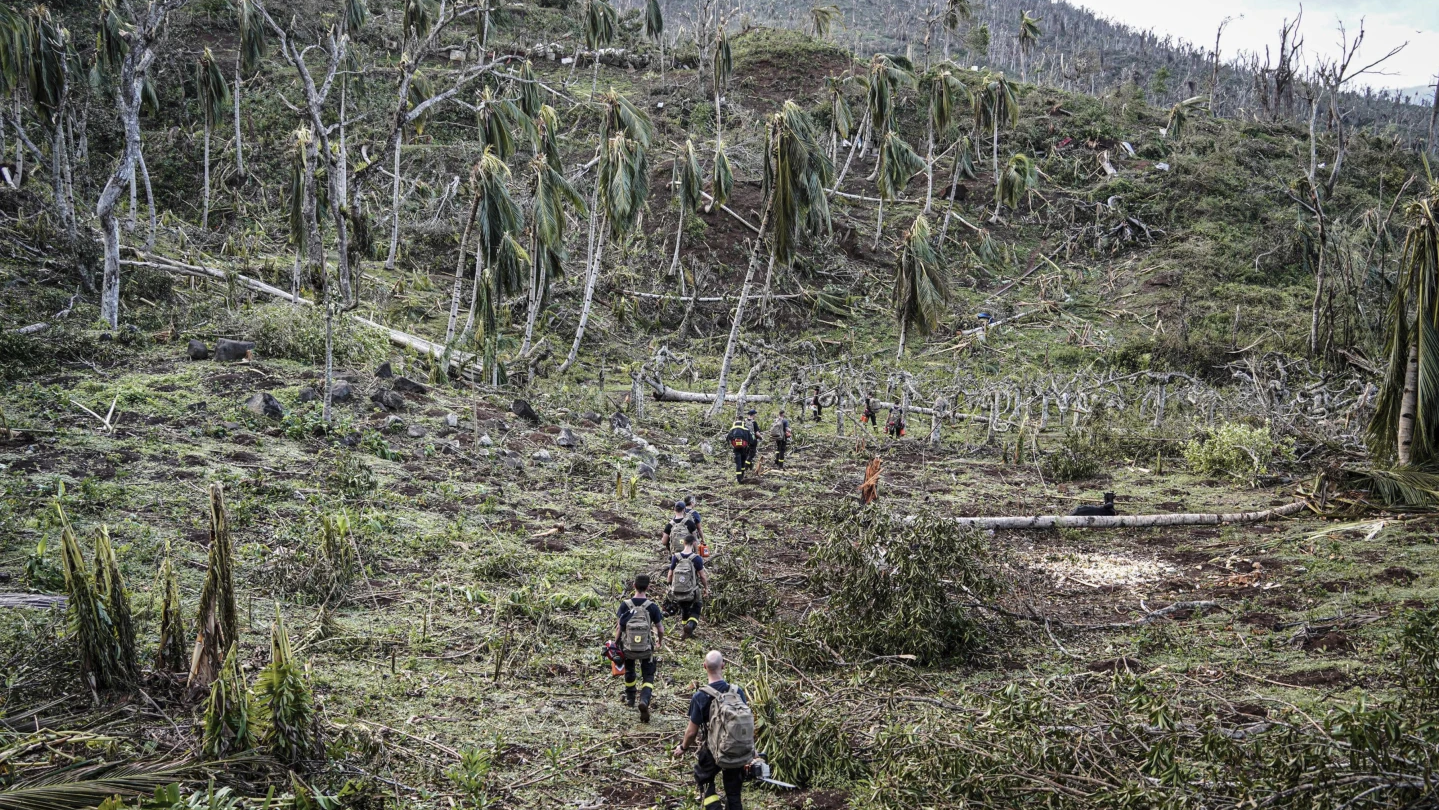
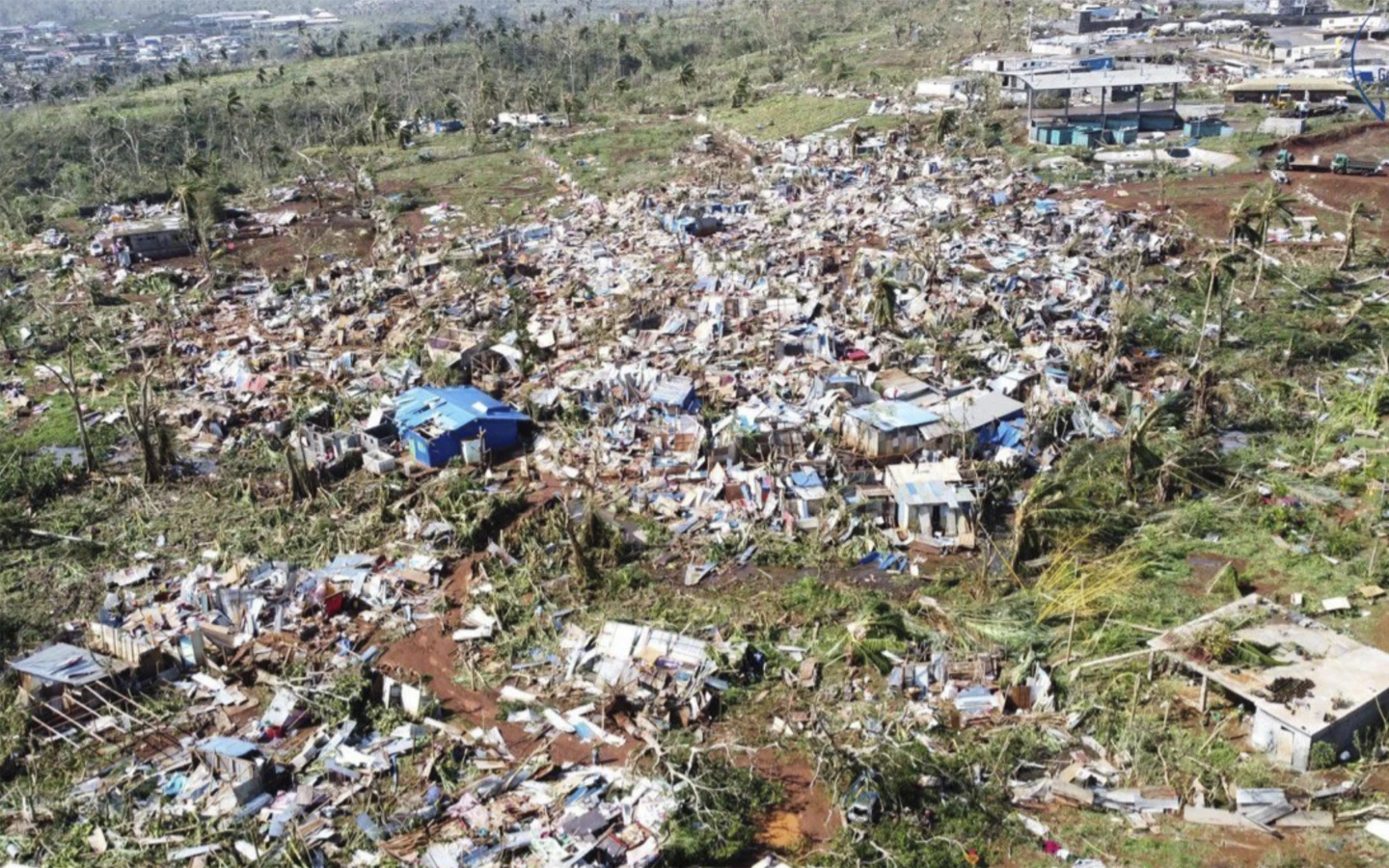
The Indian Ocean archipelago of Mayotte is reeling from Cyclone Chido, the most intense storm to hit the French territory in 90 years.
At least 22 people have been killed since Chido made landfall on Saturday, as high winds swept away entire neighborhoods, damaged major infrastructure and uprooted trees.
And while Africa’s southeast coast is no stranger to devastating cyclones, climate scientists have warned in recent years that storms in the area are getting more intense and more frequent as a result of human-caused climate change.
Cyclone season in southeast Africa runs from December to March, when waters in the region are at their warmest. That’s because warm water fuels tropical storms so they tend to happen when oceans hit their peak temperatures for the year.
In recent years, devastating storms such as Cyclone Freddy in 2023, Batsirai in 2022 and Idai in 2019 all battered the southeastern coast of Africa — including swathes of Malawi, Mozambique, Zimbabwe and Madagascar — during southern hemisphere summer.
Cyclones are the same as hurricanes, but carry that name in the Indian Ocean and Australia.
